
Tencent Games, a gaming industry giant, is boldly entering the creature-collecting survival-crafting genre, betting big on its own Palworld-inspired hits.
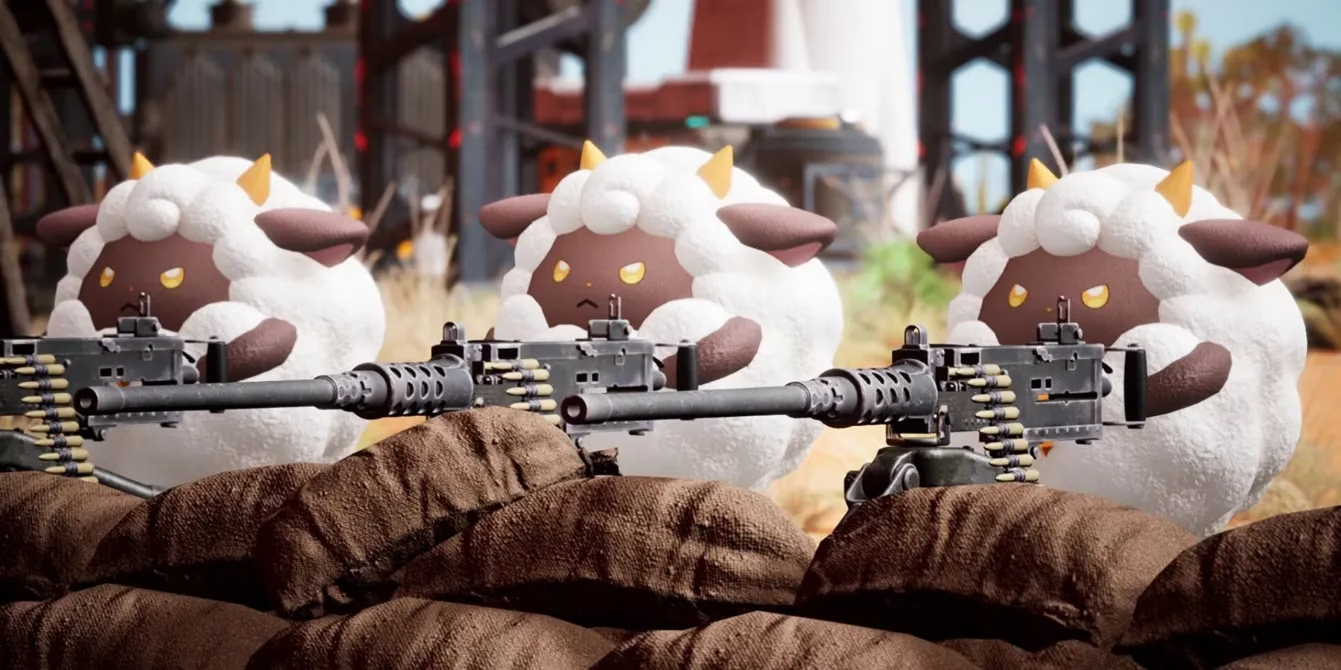
As a gaming enthusiast, I gotta say, the news buzzing around the industry right now is wild. Rumors are flying that Tencent, the absolute behemoth of the gaming world, is going all-in on the "creature-collecting survival-crafting" genre, placing not one, but two separate bets on creating their own version of Palworld. It's like they saw Palworld's meteoric rise from a sleeper indie hit to a global phenomenon selling millions of copies since its early 2024 launch and decided, "We need a piece of that pie, pronto!" And honestly, who can blame them? In an era where capturing player attention is everything, chasing the next viral trend is just part of the business.
This isn't just a simple copycat move, though. It's a full-blown corporate strategy play. Tencent Games isn't a single studio; it's a massive conglomerate housing a portfolio of powerhouse developers. We're talking about the folks behind giants like Riot Games (yep, the League of Legends legends), LightSpeed Studios, and TiMi Studio Group (the minds behind Call of Duty: Mobile). These studios have been Tencent's cash cows for years. But recent reports, including a major one from Bloomberg, suggest the winds are shifting. Apparently, LightSpeed and TiMi have each been greenlit to develop their own, distinct takes on the Palworld formula. It's a classic case of internal competition, pitting two talented teams against each other to see who can grind out the highest-quality, most captivating game first.
Why the Desperate Push for a New Hit?
Let's be real, Tencent's had a bit of a rough patch lately, which explains this aggressive pivot. Their gaming performance actually dipped by 2% during the crucial 2023 holiday season. That's a red flag for any company, but especially for a titan used to dominating charts. This urgency for a new blockbuster is fueled by a string of recent setbacks that have left them scrambling:
-
Project Cancellations: Remember the hype around a mobile Nier game? Poof. Gone. Reuters reported back in February 2024 that Tencent axed the project after two long years of development, leaving fans of the franchise pretty bummed.
-
Major Delays: In a "strategic shift," they pushed the highly anticipated mobile title Assassin's Creed Jade — set in ancient China — all the way to 2025. Delaying a potential flagship title is never a good sign.
-
High-Profile Flops: Then there's the case of Undawn. Oh, Undawn. This zombie shooter, fronted by none other than Will Smith himself and boasting a rumored $140 million budget, turned out to be a massive misfire. By February 2024, it was reportedly pulling in a paltry $300,000 in revenue. The fact that many gamers outside China had no idea Will Smith was even in it speaks volumes about its marketing and global reach.
So, when you connect the dots, it's clear: Tencent is on the hunt. They're actively searching for that elusive, genre-defining, runaway success to get back on top. And right now, their sights are locked squarely on the blueprint Palworld provided.
The Clone Wars: LightSpeed vs. TiMi
This internal "clone war" between LightSpeed and TiMi is the most fascinating part. Tencent isn't new to this strategy; it's how they fostered the insane success of Honor of Kings (TiMi) and Peacekeeper Elite (LightSpeed). By having two teams tackle the same core concept, they create a crucible of innovation. We can expect the two projects to diverge significantly in:
-
Art Style & Creature Design: Will one go for a more realistic, gritty survival look, while the other opts for a cuter, more stylized anime aesthetic?
-
Gameplay Focus: Maybe TiMi's version leans harder into intense PvP and base-raiding mechanics, while LightSpeed emphasizes cooperative PvE, deep crafting, and creature breeding.
-
Monetization Models: This is key. Palworld's upfront purchase model was part of its charm. Will Tencent stick to that, or will we see a free-to-play model with gacha mechanics for collecting rare "Pals"? My bet is on the latter, as it's a model Tencent has mastered.
The potential here is massive, but so are the pitfalls. Simply cloning Palworld won't be enough. Players in 2026 are savvy; they can spot a cheap cash-in from a mile away. The games will need to bring their own unique identity, compelling gameplay loops, and, crucially, run smoothly at launch to avoid the stigma of being just another rushed imitation.
What This Means for Us Gamers
As players, this news is a double-edged sword.
✅ The Pros:
-
More Choice: Competition breeds innovation. We could get two fantastic games that evolve the genre in different directions.
-
Polish & Scale: Tencent's resources mean these projects will likely have big budgets, high production values, and extensive live-service support.
-
New Twists: Chinese developers often bring unique cultural perspectives and gameplay ideas that could refresh the genre.
❌ The Cons:
-
Risk of Saturation: The market could get flooded with too many similar games, leading to player fatigue.
-
Monetization Concerns: The shadow of aggressive microtransactions or pay-to-win mechanics always looms large with major F2P publishers.
-
Loss of Originality: The focus on chasing a trend might stifle truly original ideas from these talented studios.
In the end, Tencent's gamble is a high-stakes one. They're betting that the "Pokémon with guns" survival craze isn't a fleeting fad but a sustainable genre. By 2026, we'll likely see the fruits of this labor. Will gamers bite? It all comes down to whether LightSpeed and TiMi can capture not just the formula, but the magic—that perfect, chaotic blend of companionship, construction, and combat that made Palworld so special. The race is on, and honestly? I'm here for it. Let the best creature-collecting survival game win! 🎮🔥